Ellis Washington · 14 September 2026
Tracing the Evolution of Poplar Foam in Sustainable Packaging Innovations
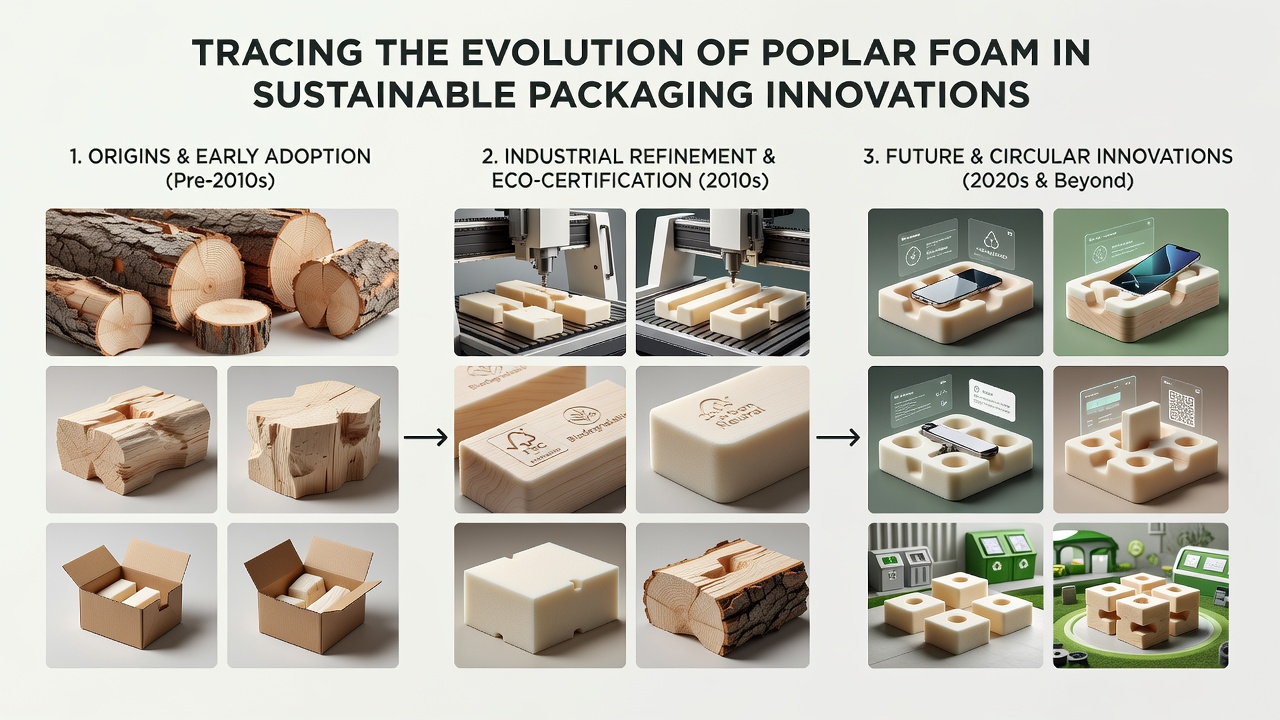
Poplar foam emerged in the late 1990s as researchers explored wood-derived alternatives to petroleum-based packaging foams, and early experiments focused on extracting cellulose from poplar trees to create lightweight cushioning materials that degrade more readily than polystyrene. Studies at forestry institutes showed that poplar's fast growth cycle and high cellulose content made it a practical feedstock, while initial production methods involved mechanical pulping followed by foaming agents that avoided harsh chemicals. By the early 2000s data from pilot plants indicated compression strengths suitable for electronics and food shipping, and companies began testing samples in limited commercial runs.
Initial Development and Material Science Advances
Material scientists refined poplar foam formulations through the 2000s by blending poplar cellulose with natural binders such as starch and lignin derivatives, and these adjustments improved moisture resistance without sacrificing biodegradability. Research published in biomaterials journals documented tensile properties that approached those of expanded polyethylene in certain densities, while life-cycle assessments conducted by European research consortia compared energy inputs favorably against virgin plastic foams. Observers noted that poplar plantations required less water than cotton or sugarcane feedstocks, which supported scaling in temperate regions across North America and parts of Asia.
Commercial Adoption Through the 2010s
Commercial interest accelerated after 2010 when several packaging firms secured patents for closed-loop processes that recycled poplar waste back into new foam batches, and supply chain data revealed reduced transportation emissions because poplar could be sourced regionally. Retailers in the European Union adopted the material for protective inserts in consumer electronics shipments, while North American food distributors tested poplar foam coolers for produce transport. Figures from industry reports showed that by 2018 annual production volumes reached several thousand metric tons, driven by corporate sustainability targets that prioritized materials certified under international compostability standards.
Recent Innovations and Performance Improvements
Recent years brought further gains through enzymatic treatments that enhanced foam cell structure uniformity, and researchers at Canadian universities demonstrated that enzyme-modified poplar foam maintained cushioning performance after repeated humidity cycles. In September 2026 the European Environment Agency released updated metrics on bio-based packaging that highlighted poplar foam's contribution to circular economy goals across member states. Manufacturers integrated antimicrobial additives derived from poplar bark extracts, extending shelf life for perishable goods, while new extrusion techniques allowed custom shapes that reduced material use by up to thirty percent compared with earlier block-cut methods.
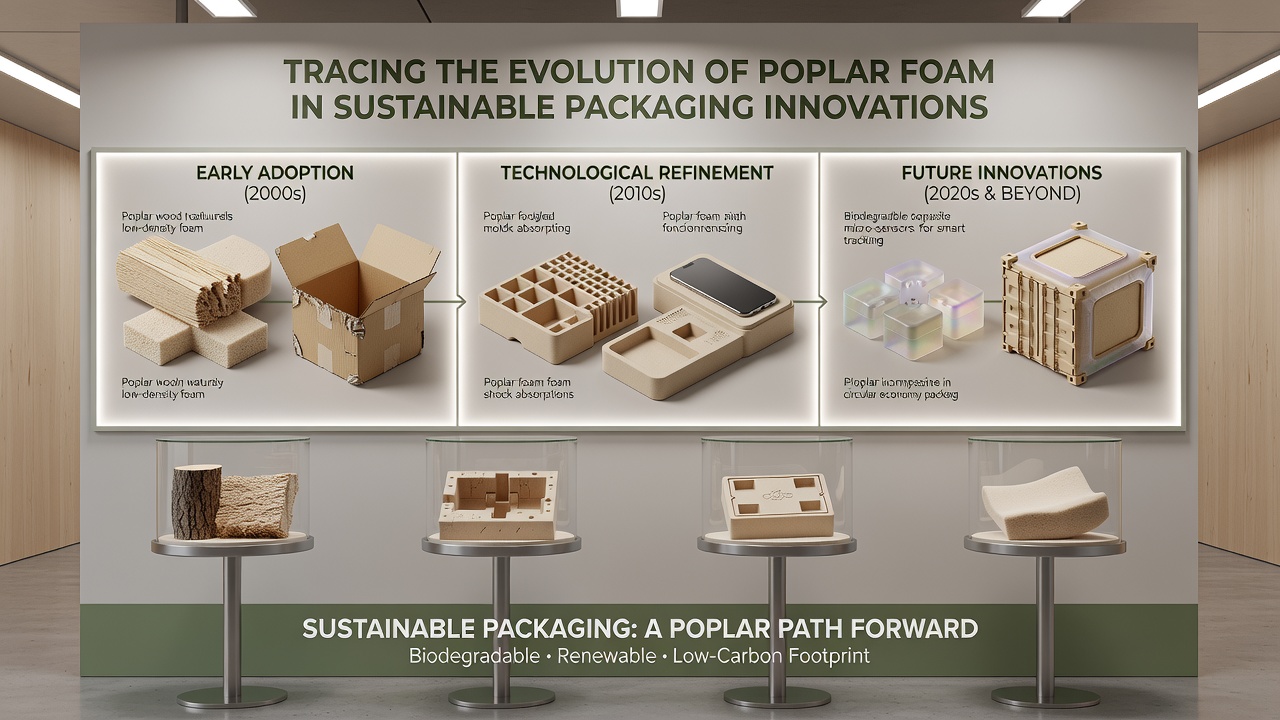
Supply agreements signed between poplar growers and packaging converters expanded acreage in the Pacific Northwest and parts of Scandinavia, and traceability platforms now document each batch from harvest through final molding. Government procurement policies in Australia began specifying poplar foam for certain protective applications, citing its documented breakdown rates under industrial composting conditions that reach ninety percent within twelve weeks according to standardized test protocols.
Regulatory Context and Market Expansion
Regulatory developments supported wider use when the U.S. Environmental Protection Agency updated guidelines on compostable packaging claims, and these changes clarified labeling requirements that helped poplar foam products reach broader retail shelves. Trade associations in the Asia-Pacific region reported rising inquiries from electronics exporters seeking alternatives to expanded polystyrene ahead of upcoming import restrictions. Collaborative projects between universities in Germany and forestry operations in British Columbia produced hybrid foams combining poplar with mycelium networks, yielding materials with higher impact absorption documented in peer-reviewed tests.
Conclusion
Poplar foam's trajectory reflects steady integration of agricultural byproducts into packaging supply chains, supported by incremental processing improvements and expanding certification frameworks. Data from multiple regions continue to track performance alongside environmental metrics, while production capacity grows through new plantation investments and refined conversion technologies. The material's role in meeting regulatory and commercial demands for lower-impact cushioning remains tied to ongoing research into fiber treatments and regional sourcing strategies.